5 min
Daily practice length examined in research (Balban et al., 2023)
Practising calm
Calm stops being something you wait for and becomes something you do. It begins with a short, repeatable practice rather than a state of mind.
Breathwork sessions and retreats — Istanbul, online, and in nature
Nefesora teaches breathing as a practice. One-to-one sessions, groups of no more than eight, and multi-day retreats in nature. No promises. Just the diaphragm, the pace, and the work of repeating it.
You have not stopped since the day you were born.
About twenty thousand breaths a day. Almost all of them automatic.
What changes when you take a few of them back?
Method
Breathwork is not a matter of intuition. It concerns a measurable pace, a specific set of muscles, and repetition. Every session follows the same frame. The only thing that changes is where you are standing in it.
The first meeting is a conversation. Your health history, any medication, how you sleep, which hour of the day is hardest. Then we sit and I watch you breathe: where it starts, how long the exhale runs, where you hold. That is where your starting point gets set.
The groundwork. Diaphragmatic breathing, in through the nose, out for longer, the pace pulled down. It is unspectacular and you can learn it in one session. The aim is simple: to be able to bring your own system down on purpose, at the moment you need it, without anyone noticing.
Once the base holds, we move to longer, continuous work. Conscious connected breathing: unbroken, guided, usually with music, thirty to forty minutes. This part can be intense. I tell you what to expect beforehand and I stay with you throughout.
If it stays in the room, it does nothing. You leave with a five-minute daily practice you can remember without notes. Before a meeting. In traffic. Before sleep. The real difference accumulates between sessions, not during them.
What shifts
Breathwork will not change your life. It changes a handful of moments in the day, and those moments add up. What follows is what people who practise regularly tend to report. It is not a list of guaranteed outcomes.
5 min
Daily practice length examined in research (Balban et al., 2023)
Calm stops being something you wait for and becomes something you do. It begins with a short, repeatable practice rather than a state of mind.
6
Breaths per minute — the focus of slow-breathing research (Zaccaro et al., 2018)
At rest you take twelve to sixteen breaths a minute. The pace most studied in slow-breathing research is roughly half that. Your body can learn to meet it.
20,000
Approximate number of breaths you take in a day
Most people notice their breath only when it is taken away. Practice spreads that attention across the day: when the shoulders rise, when the jaw sets.
Slowing down in the evening does not happen by itself for everyone. A short exhale-led practice gives the end of the day a plain, repeatable signal.
Five minutes fits between two meetings. This is where most people describe their first lasting change: being able to actually stop in the gaps.
Breath is the nearest door into your own body. People who practise regularly say they start catching tension, fatigue and hunger earlier than they used to.
Breathwork is a well-being practice. It is not medical or psychological treatment, it does not replace either, and it does not diagnose or treat any condition. If you are pregnant, or living with cardiovascular conditions, uncontrolled high blood pressure, epilepsy, glaucoma, a recent surgery, a serious psychiatric history, or you take regular medication, please speak with your physician before taking part. If you are already under treatment, tell us when you register. We adapt some practices and there are others we simply do not run.
Sessions
Sessions run at the Istanbul studio and online. Each one opens with a conversation, moves into practice, and closes with a short review. There is nothing you are asked to believe. You only have to try it and tell me what happened.
Every session begins with a short health and readiness check.
Group sessions are capped at eight people.
Bring comfortable clothes. Mats, blankets and eye masks are here.
A written practice note follows by email the same day.
We usually suggest three to six sessions. Nothing is sold as a compulsory package.
Cancellations and changes are free up to twenty-four hours before.
At the studio, just you. Assessment, guided work, and a daily practice built around what we find. The pace is set entirely by yours.
For first-timers, and for anyone working on something specific.
By video call, in your own room. Same frame, shorter format. A quiet space and headphones are all you need.
For people outside Istanbul or abroad, and for frequent travellers.
Eight people at most. Shared practice, then a brief open conversation for anyone who wants it. Speaking is never required.
For those who want a steady rhythm and prefer working alongside others.
Retreats
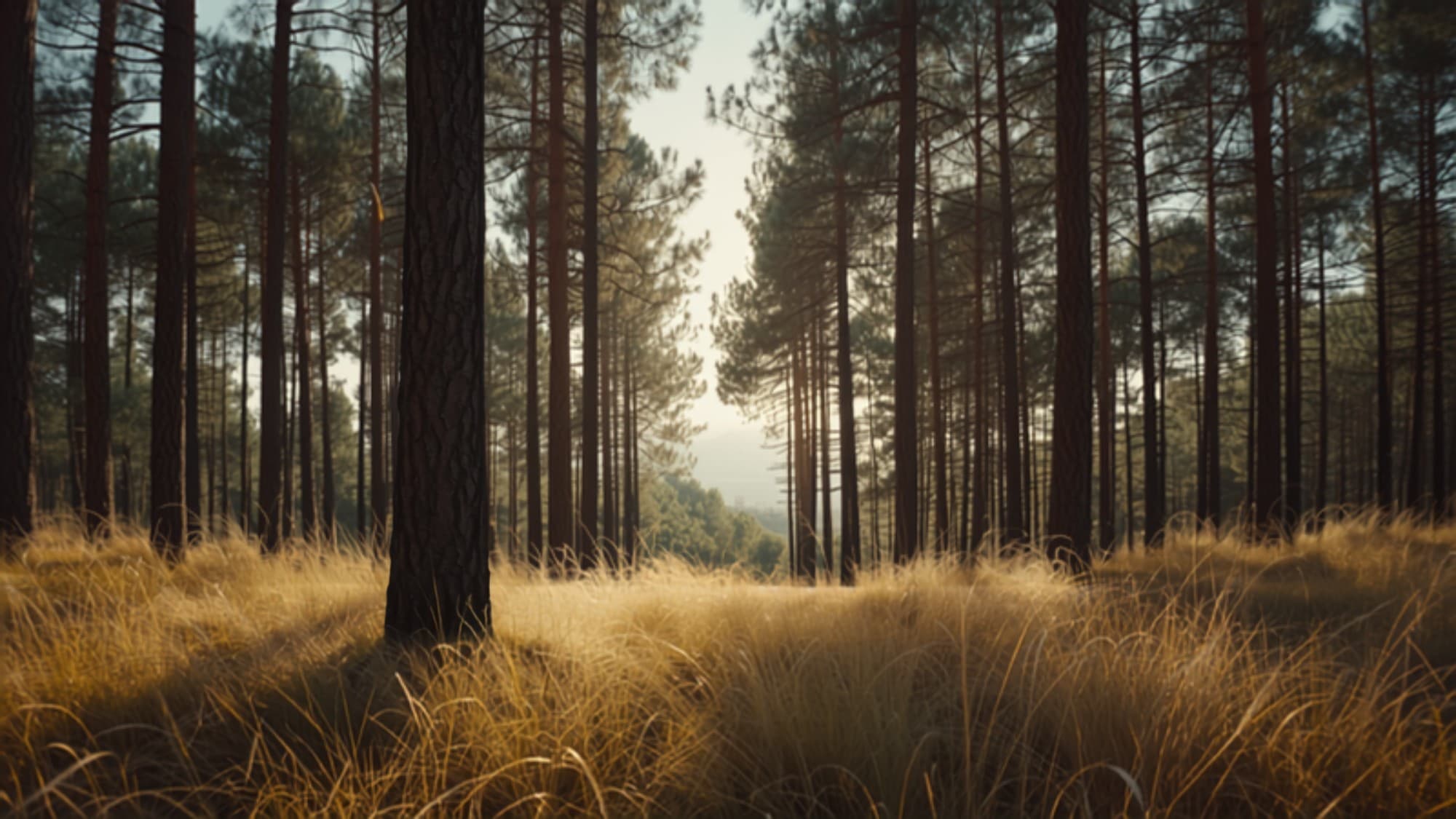
On the Aegean coast, in a small property near the sea and the pines. Fourteen people at most. Two long sessions a day, a plain kitchen, and a long silent afternoon. We do not build a full programme. The empty space is deliberate.
The group stays small on purpose. You will know everyone's name by the first evening, and there is genuinely someone beside you during the work.
Most people arrive on their own. Single rooms are available, and in shared rooms we tell you who you are sharing with in advance.
Three light meals a day, cooked from what is in season. Vegetarian and gluten-free options are standard. We take allergies at registration.
We do not collect your phone. We only ask that it stays off during sessions and the evening gathering. The rest of the day is yours.
Retreats run a few times a year, in spring and autumn. Locations move around Muğla and İzmir provinces. The exact address, travel notes and room plan are shared once your place is confirmed. Accommodation, all meals and all sessions are included. Travel to the venue is not.
Ask for the retreat datesParticipants
“Nobody told me what I was supposed to feel. That is why I stayed. After the third session I finally understood why it takes me so long to settle in the evenings.”
“I wanted something measurable. Lengthening the exhale turned out to be the simplest thing I have tried for falling asleep.”
“I went to the retreat alone and it was not strange at all. There were fourteen of us. On the third day I slept in the afternoon for the first time in years.”
“We ran a ninety-minute workshop at the company. Nobody had to take their shoes off and nobody on the team made a joke about it. For me that was already a win.”
The quotes in this section are illustrative placeholders written while the site was being built. They are not real client testimonials. Before launch they will be replaced with genuine participant quotes, used with written permission.
Facilitator
[Facilitator Name]
Breathwork facilitator, founder of Nefesora
[This section is to be replaced with the facilitator's own story. The three paragraphs below exist to hold the structure: how you started, how you work, and what to expect in the room.] I started working with the breath in [year], out of my own need. I was working as a [profession] at the time, my sleep had come apart, and I did not think there was anything to be done about it. In a first session I went to because a friend insisted, I learned that I had been doing the most ordinary thing in my life incorrectly.
The next [number] years went into learning it properly. I completed my breathwork facilitator certification with [institution], then advanced training with [institution]. Today I run one-to-one and group sessions in Istanbul, and a few retreats a year in nature. I also run workshops inside companies.
Nothing dramatic happens in the room. I tell you what we are going to do before we do it, explain why, and change anything that is not working. I will not offer you a worldview to believe in. Breathwork is not treatment and it does not replace psychotherapy, and I say so in the first conversation. What it does leave you with, if you practise, is a skill that belongs to you.
Questions
It is safe for most healthy adults, but it is not right for everyone. If you are pregnant, or living with cardiovascular conditions, uncontrolled high blood pressure, epilepsy, glaucoma, a recent surgery, a serious psychiatric history, or you take regular medication, we ask you to speak with your physician first. Everyone completes a short health form at registration. In some cases we adapt the practice. In others we will tell you plainly that we cannot recommend taking part.
Writing
Short notes on the practice. How breathing techniques actually work, what tends to get overstated, and a few plain things that hold up in daily life. One or two pieces a month. There is no hurry.
Contact
Fill in the form and we will come back to you within two working days, with the fee, the duration and the next dates for whatever you are interested in. Write even if you are not sure yet. A short question gets a proper answer.